Neighbourhoods & Culture
A Closer Look at Wukang Road
Enjoy a focused architectural walk while leaving room for everyday neighbourhood life.
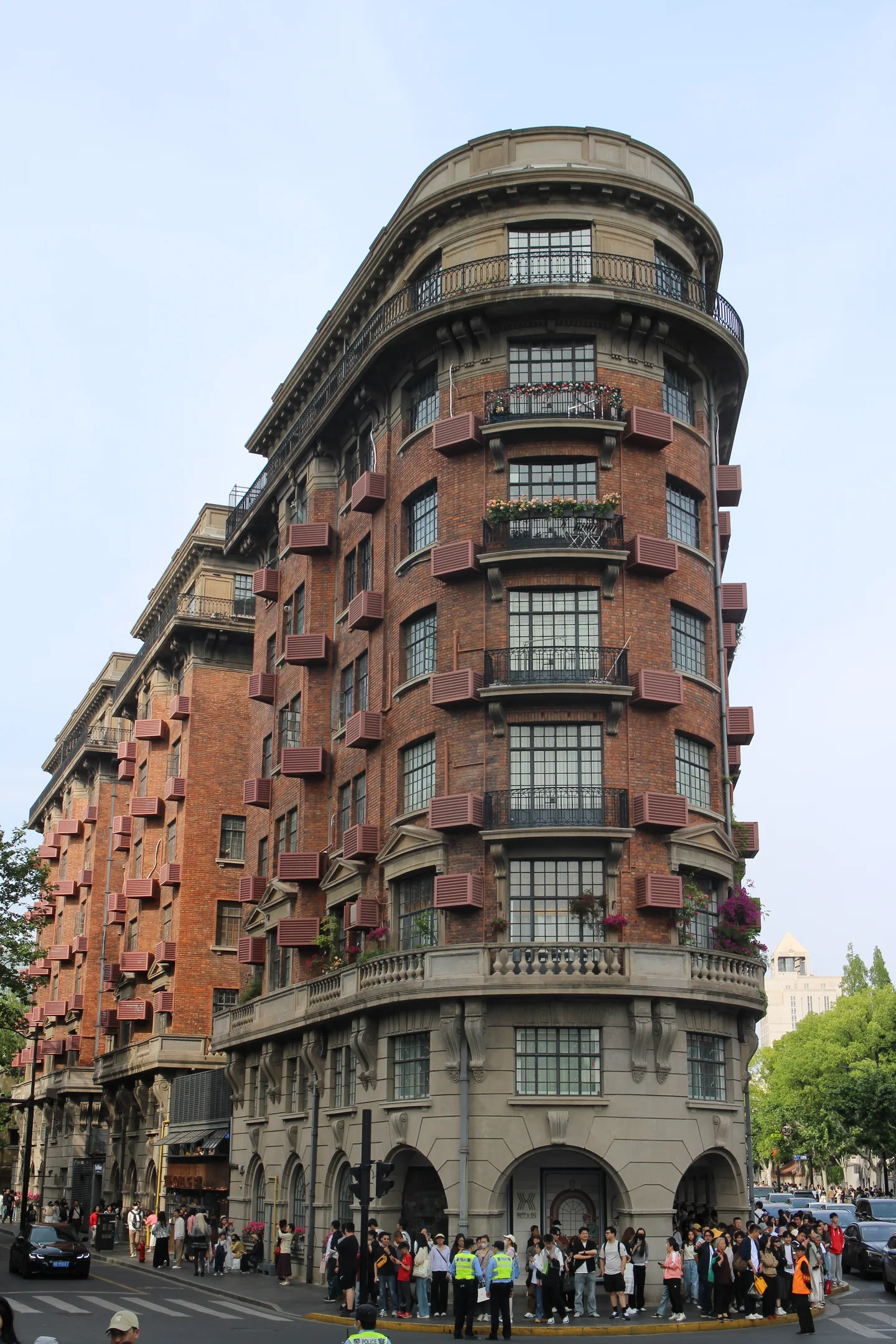
Make Wukang Road a focused street walk rather than a checklist of interiors. Shanghai's official introduction describes a mix of residential buildings and architectural styles in Xuhui. Much of the interest is visible from the street. Official Wukang Road guide.
Choose a few details to notice
Look at rooflines, window shapes, balconies and the way a building meets the street. The official guide identifies No. 113 as Ba Jin's former residence and describes No. 393 as the location of the tourist information centre. Use these as points to locate on your map; check current opening arrangements separately if you hope to go inside.
Keep the walk manageable
Start from the point that fits your journey and choose a nearby stopping point before you set off. Let weather, crowds and energy determine how much you cover. This is an observation guide, not a measured route with a promised duration.
Share the street considerately
As a practical courtesy, leave doorways and pavement space clear. Photograph buildings from places where you can stand without blocking people, and ask before photographing someone closely. A building appearing in a guide is not permission to enter a residence or courtyard.
If you want a café break, check the actual menu and opening status when you arrive. The street itself can be the focus; you do not need an unverified “must-visit” shop to make the outing worthwhile.
Choose a small observation task
Look for one feature at a time: the shape of a corner, the treatment of a doorway or the relationship between a building and the pavement. Comparing two details can be more rewarding than collecting photographs of every address. If you keep notes, describe what you can actually see and leave uncertain historical claims for later checking.
Use the official street introduction to orient yourself, then let the current conditions determine how far you go. This article is not a measured route and does not promise that particular interiors, shops or courtyards will be accessible. If a building is the main reason for your visit, check that place's own arrangements before setting out.
Give the walk a comfortable ending
Choose a point where you can review your return journey or take a break. Agree that stopping early is acceptable, especially in rain, heat or crowds. A café stop is optional; look at the current menu and available seating instead of relying on a recommendation that may describe a different season.
Keep phones and bags close when pausing for a photograph, and move aside before studying your map. If you are visiting with someone, pick a meeting point before separating. An offline address card lets you finish the outing without depending entirely on a charged phone.